T3
Colour #3.1

White Balance

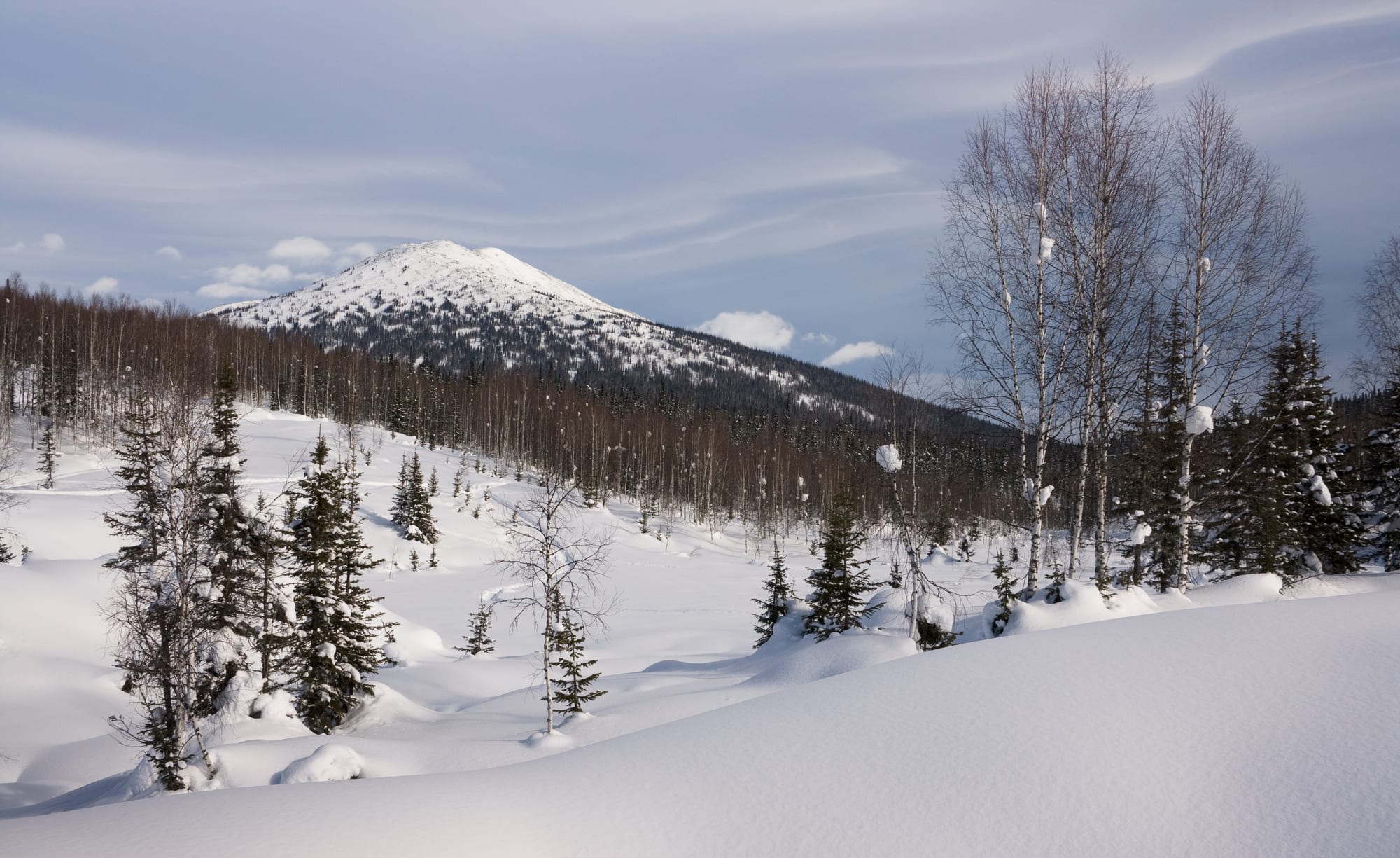
A snowy valley in the Kuznetsk Alatau mountains: birches and spruces in deep snow, a white peak under a blue-grey sky.

Kuznetsk Alatau, Siberia. Dmitry A. Mottl, public domain

White balance6500 K
Temperature5800 K
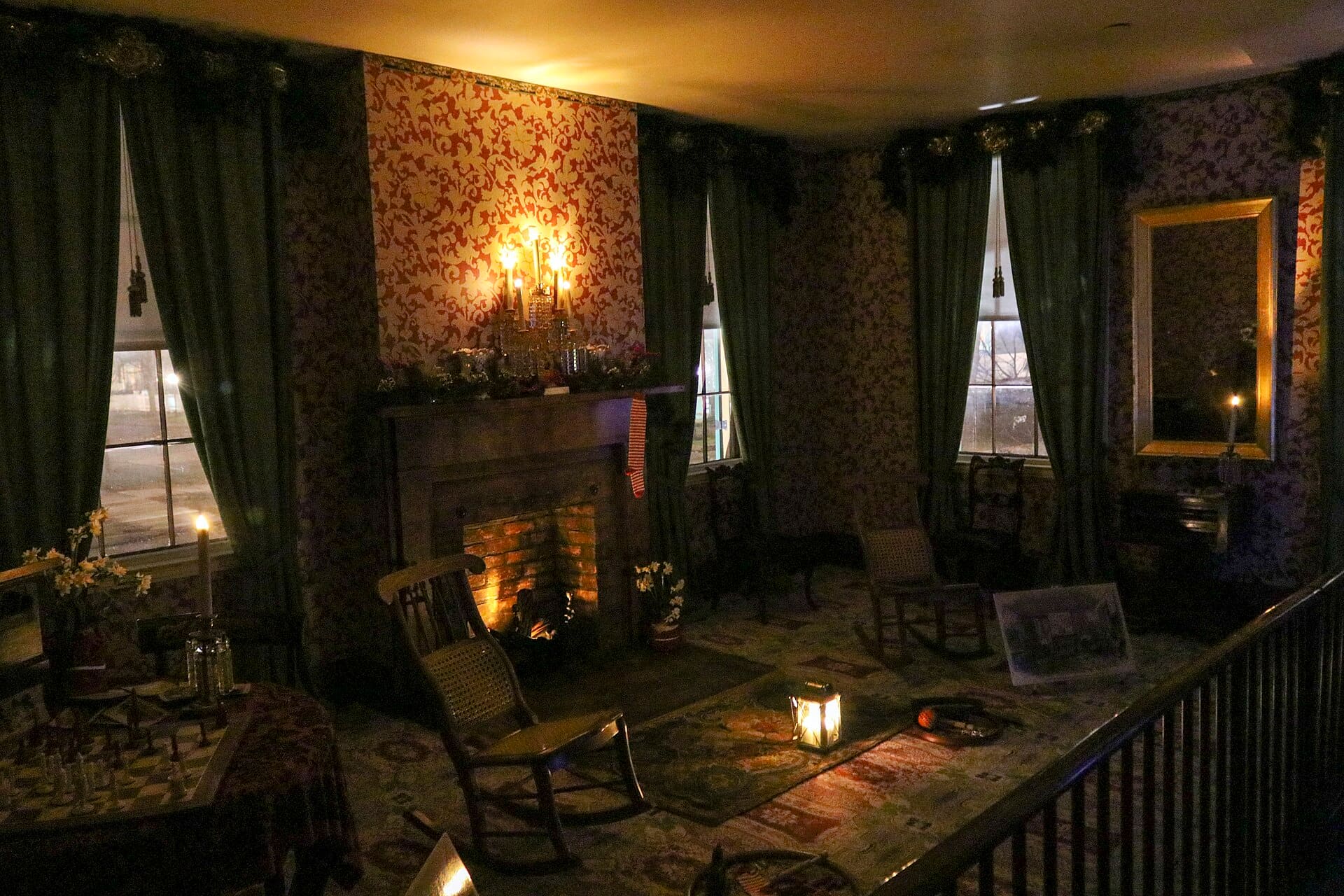
A historic sitting room at night, lit only by candles, a fire in the fireplace and a lantern on the floor: patterned wallpaper, green curtains, a rocking chair.

Candlelight Tours, sitting room. National Park Service, public domain

White balance3000 K
Temperature6500 K
Tint0
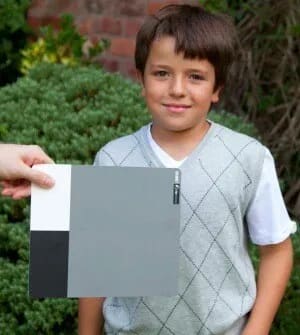
A smiling boy in a grey argyle sweater vest holds up a grey card with a white and a black patch, in front of a hedge.

Color temperature

Have you ever wondered why, when you do a white balance correction in photoshop, the scale is measured in “K”? Or if you don’t edit photos, have you ever wondered why when you buy a light bulb, it often has a “K” rating as well?

That’s Kelvin, as in temperature.

Blackbody radiation

Roughly, there are three ways why you can see things. First, the thing might reflect light from another source. That’s most objects in everyday life.

Second, there is heat. Heat is when atoms vibrate, and this vibration emits light, which is called thermal radiation. A lot of this light is outside human’s visible spectrum in the infrared, but using thermal cameras we can still detect it.

Third, there is luminescence. This is when light is emitted by a process other than heat, for example in LEDs or fireflies.

A blackbody is an idealized object that absorbs all light and reflects none, and has no luminescence of its own. When heated, it emits only thermal radiation, and it turns out that the spectrum of this radiation is perfectly determined by the temperature of the blackbody.
Blackbody radiation

Nothing in the real world is a perfect blackbody, but many things come close, especially hot things like lava, or the Sun. Or oldschool light bulbs: they glow because their filaments are heated to high temperatures. Modern LEDs mostly emit light through luminescence rather than heat, so the temperature rating on their packaging doesn’t correspond to how hot they are; they just emulate the blackbody spectrum.

White balance

Confusingly, hotter things glow bluer but the white balance slider in photoshop shows blue on the cool end.

That’s because white balance does the inverse of blackbody radiation: A room lit by a 3000K candle needs blue mixed into the image to counteract the orange light.

Temperature and tint

The goal of white balance is simple: make white things look white. Photographers often hold up a grey card so there is something in the shot that is known to be neutral.

Temperature alone can only slide the white point along the line of blackbody colours. Real world light conditions often sit a bit off that line, so photo editors add a second slider: tint. With both, you can pull the grey card back to D65, the white point of your screen.

Daylight is not a blackbody

Confession: all this blackbody talk was a bit of a lie. The Sun is almost a blackbody, but daylight isn’t. Before sunlight reaches you, the atmosphere scatters away some of the blue (that’s the blue sky), and ozone and water vapour absorb other parts of the spectrum. Then add the blue sky itself, and clouds.

So the CIE measured real daylight and defined its own line in the diagram: the daylight locus. D65, the white point of your screen, sits on it, not on the blackbody line. It’s slightly greener than a 6500 K blackbody.

But zoom out, and the two lines are so close that nobody really cares. I haven’t met any photographer who actually uses the daylight locus instead of color temperature for photo editing.

It is kind of interesting how measuring daylight at different times of day and under different weather conditions traces out a line so close to the blackbody line though.